Key figures
- About 50%fall in VLCC freight rates from their October highs.OilPrice
- $1.4 milliondaily supertanker rate from the Gulf to Asia at its October peak.OilPrice
- $22discount to Dated Brent at which Unipec bought two cargoes of Congo's Djeno crude.OilPrice
Why are Asian buyers turning to African and Brazilian crude?
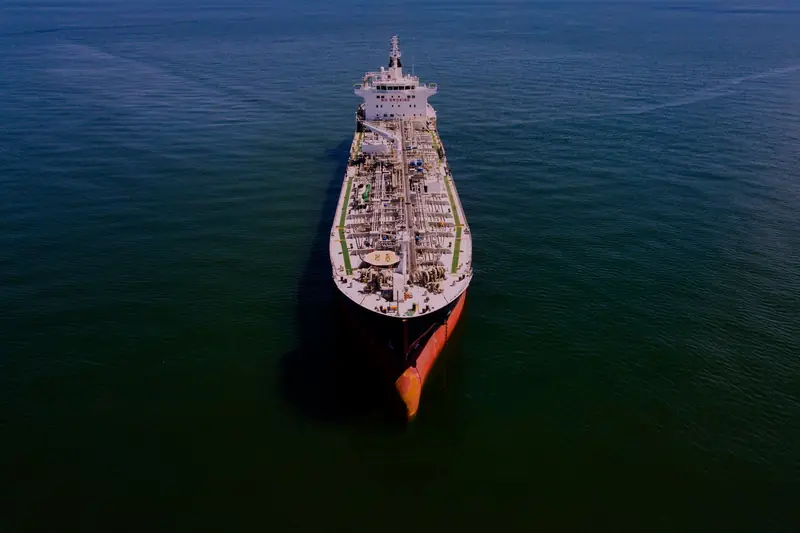
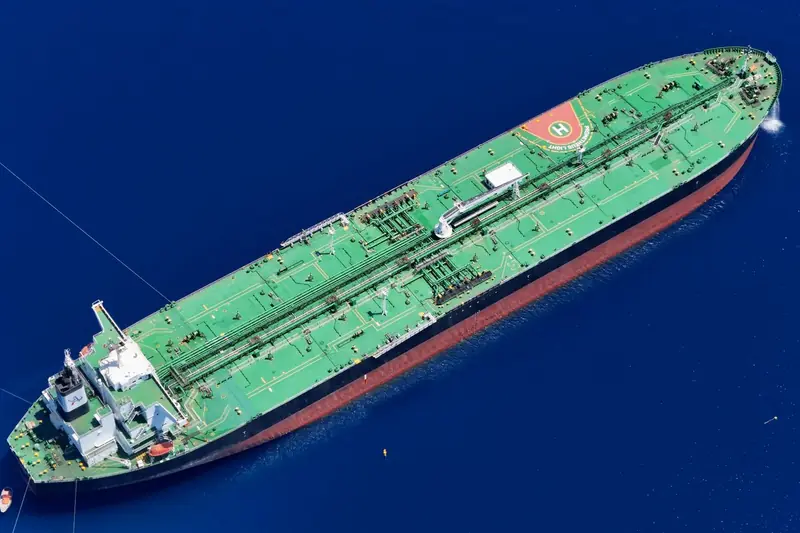
Freight has become cheaper. Rates for very large crude carriers (VLCCs) have fallen about 50% from their October highs, and Suezmax and Aframax rates have also dropped sharply, OilPrice.com reported, citing a Reuters report based on traders and shipbrokers [1]. Supertanker rates from the Gulf to Asia hit $1.4 million a day in October before retreating [1]. "Softer long-haul VLCC freight rates are making west of Suez grades more attractive," analysts at Energy Aspects said [1].
Buyers have moved quickly. Sinopec's trading arm Unipec bought two cargoes of Djeno crude from the Republic of Congo at a discount of about $22 to Dated Brent, and South Korea's SK Energy provisionally chartered a Suezmax to carry Gabonese crude to Ulsan in December [1]. Vortexa analyst Wanying Zhang said the number of laden VLCCs and Suezmaxes in East Asia had risen about 15% since early September, and attributed the freight correction to "improving vessel availability following October's exceptional market tightness" [1].
How cheap is West African crude?
Very cheap by historical standards. In early October, Angola's Hungo traded at a $19.60 discount to Dated Brent, the widest for any West African cargo in Platts data since 2011, and Congo's Djeno was offered at $23.10 below Dated Brent without finding a buyer, Nairametrics reported, citing Bloomberg [3]. About 13 Angolan and Nigerian cargoes for October loading were still unsold [3]. Kpler said VLCC earnings on the West Africa–China route had hit a record $760,000 a day and that freight costs had roughly quadrupled from pre-war levels [2]. "Softer Asian demand is the key reason why Angolan differentials are discounting," said Yash Bajaj of Energy Aspects [3].
Where does Middle Eastern crude fit in?
Gulf supply is also recovering, which adds competition. Kpler data cited by Reuters show Middle Eastern crude flows, including bypass pipelines, averaged 17.1 million barrels a day in September and 16.3 million in October [4]. Spot premiums for Dubai and Oman crude fell to their lowest since July in early November, and independent refiners in China's Shandong province bought 8 to 10 million barrels of November-loading West African crude in one week [4].
What to watch
- Freight. Whether VLCC rates keep falling as more ships become available [1].
- Refining margins. Asian refiners are unlikely to buy more unless margins improve; diesel margins fell from a record above $87 a barrel in mid-September to slightly above $60 [4].
- Russian ESPO. Energy Aspects says Angolan crude is attractive to Chinese buyers as ESPO trades at a rising premium [1].
Alupetra arranges crude oil supply for refiners and follows freight and differentials daily.
Free tools for this topic: Historical oil prices · Oil price & unit converter · All tools
Sources
- OilPrice.com — Asian oil buyers turn to Africa and Brazil as tanker rates plunge (12 November 2026). oilprice.com (opens in a new tab)
- Kpler — West African differentials drop with high freight and growing competition (9 October 2026). kpler.com (opens in a new tab)
- Nairametrics — West African crude trades at biggest discount in over a decade (8 October 2026). nairametrics.com (opens in a new tab)
- Baird Maritime (Reuters) — War premiums fade as Middle East crude floods Asian buyers (5 November 2026). bairdmaritime.com (opens in a new tab)
This article is for information only and is not investment, legal or trading advice. Figures are as reported by the sources cited on the date of publication.