Energy Daily Brief

Energy Daily Brief — 20 November 2026

Global oil markets balance supply recovery against Middle East tensions as shipping constraints emerge. Canada diversifies energy exports while US investment banking returns to oil and gas.

Live pricesLive

Live prices — loading…

Market data: TradingView. Indicative and possibly delayed; not for trading.

01 #NaturalGas #Canada #LNG #TradePolicy

Canada targets 55% of natural gas exports beyond the US by 2030

Canada is building an energy export industry independent of the US tariff risks. Ottawa is developing new LNG export infrastructure and Asia-focused sales pathways to redirect a majority of natural gas exports away from its traditional US buyer.

Why it matters: Canada's diversification reshapes North American gas trade and creates new competition for US LNG exporters in Asian markets, signalling structural energy supply chain shifts post-Iran war.

Sources: OilPrice.com (opens in a new tab)

02 #CrudeOil #UnitedStates #Investment #Finance

Bank of Montreal re-enters US oil and gas investment banking

After exiting the energy banking business six years ago, Bank of Montreal has decided to return to US oil and gas financing. The move reflects strong deal-making momentum in the American energy sector, where companies are increasingly pursuing mergers, acquisitions and capital projects.

Why it matters: Major bank re-entry into energy banking signals sector optimism and rising deal activity. Merger and acquisition financing drives consolidated market structure and capital deployment patterns.

Sources: OilPrice.com (opens in a new tab)
03 #Guyana #Upstream #CrudeOil #Exploration

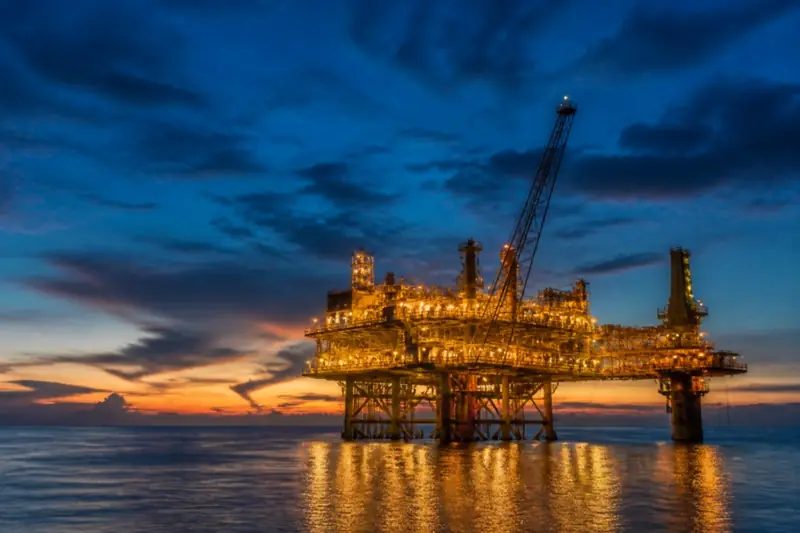
Exxon's Guyana output passes 1 million barrels per day

Exxon announced total oil production in Guyana reached 1 million barrels per day this week. The discovery success is motivating other oil majors to pursue frontier opportunities and replicate Exxon's development model in the region.

Why it matters: Guyana's rapid rise diversifies global crude supply away from OPEC and Middle Eastern tensions. Each new major supply region reduces geopolitical risk concentration and pressures legacy producers' market share.

Sources: OilPrice.com (opens in a new tab)
04 #Hormuz #Shipping #TankerFreight #Brent

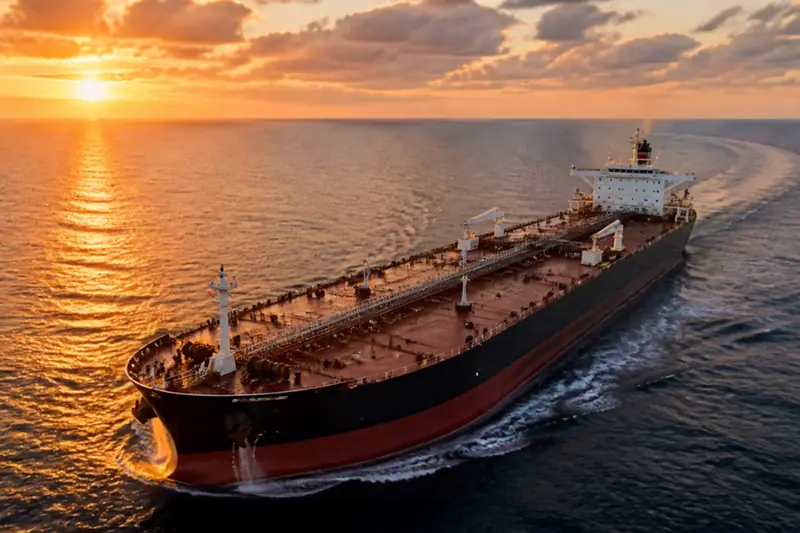
Empty tanker shortage threatens Gulf oil export recovery

Analysts report an inbound tanker shortage that could decline crude oil exports from the Persian Gulf despite recovery in supplies. The shortage of empty very large crude carriers constrains loading capacity even as production climbs back toward pre-war levels.

Why it matters: Without empty tankers positioned in the Gulf, producers cannot load and ship crude even if spare capacity exists. This logistics bottleneck can artificially constrain exports and support prices regardless of supply availability.

Sources: OilPrice.com (opens in a new tab)

05 #NaturalGas #Pipelines #UnitedStates #Pricing

Northeast US natural gas prices hold firm amid pipeline constraints

Natural gas prices fell in most US markets Thursday as warmer weather forecasts reduced heating demand. The Northeast and Appalachia proved the exception, with local pipeline bottlenecks supporting stronger prices in those delivery hubs despite the nationwide downward move.

Why it matters: Regional pipeline bottlenecks create localized supply tightness that can support prices independent of national trends. Traders targeting specific delivery points pay premiums when capacity is constrained.

Sources: Natural Gas Intelligence (opens in a new tab)

06 #OilPrices #MiddleEast #Hormuz #Geopolitics

Oil prices swing on Middle East uncertainty and diplomatic hopes

Crude prices swung within a $2 range Thursday as traders weighed hopes for a ceasefire against risks of renewed fighting in the region. While shipping flows through Hormuz have recovered, ongoing attacks on vessels create a risk premium that limits price declines from improving fundamental supplies.

Why it matters: Oil markets price both supply fundamentals and geopolitical risk. When Middle East tensions dominate headlines, risk premiums override technical support from improving supplies.

Sources: Rigzone (opens in a new tab)

07 #UnitedStates #Shipping #CrudeOil #Infrastructure

Court ruling jeopardizes $2.1 billion Texas offshore oil export license

A federal court ruling has put at risk the permitting for Sentinel Midstream's $2.1 billion deepwater crude export facility planned offshore Texas. Environmental groups successfully challenged the project's regulatory approval, creating legal delays for a facility intended to boost US crude export capacity.

Why it matters: Project delays and cancellations reduce downstream crude export capacity and can support refinery margins and domestic crude prices when waterborne logistics tighten.

Sources: gCaptain (opens in a new tab)

Summaries are written by Alupetra, with the help of automated tools, from the reports linked; they are for information only and are not investment advice. Images are illustrative and come from our licensed library.

All energy news Live markets