Energy Daily Brief

Energy Daily Brief — 15 November 2026

Oil tanker hit by mine in the Strait of Hormuz amid escalating geopolitics, while shipping traffic remains disrupted and the market balances supply recovery with supply-chain pressures.

Live pricesLive

Live prices — loading…

Market data: TradingView. Indicative and possibly delayed; not for trading.

01 #Hormuz #Shipping #Iran #CrudeOil

Naval mine strikes tanker in Strait of Hormuz; fire reported

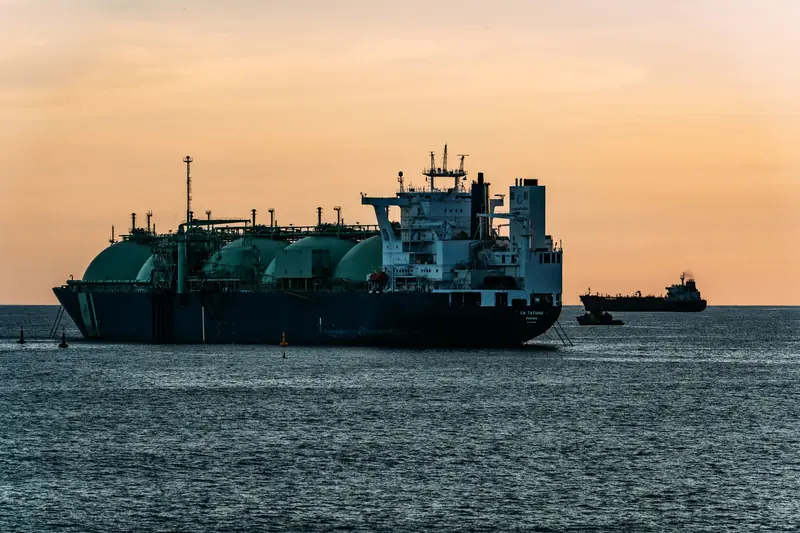
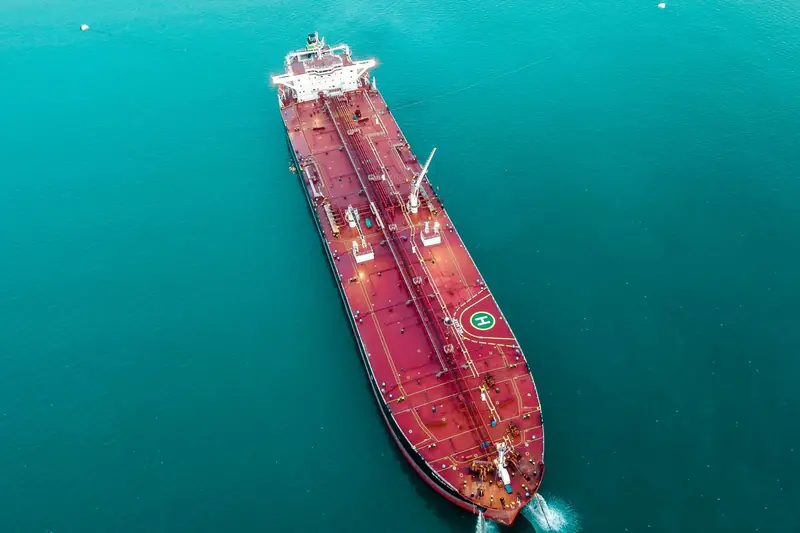
A tanker incurred fire damage Saturday morning in the eastern Strait of Hormuz following contact with a naval mine, according to Iranian state sources. The incident reflects the continuing pattern of hazards affecting traffic through the waterway amid Middle East hostilities.

Why it matters: The Strait of Hormuz carries critical crude and refined product flows. Shipping disruptions, war risks and insurance premiums directly affect global crude benchmarks, product cracks and trade finance.

Sources: gCaptain/Reuters (opens in a new tab)

02 #Brent #Iran #OilPrices #Geopolitics

Crude fluctuates as geopolitical risk offsets recovery signals

Brent settled near $96 per barrel as traders weighed Middle East tensions against signs of an oil surplus. Peace-talk optimism faded after US President Trump signalled no deal with Iran was planned. The IEA warned that oil market risks from geopolitical events offset signs of supply recovery.

Why it matters: Oil price direction turns on geopolitical risk premium versus physical supply balance. The IEA assessment of market balance shifts trader psychology even as Hormuz threats keep prices supported.

Sources: Rigzone/Bloomberg (opens in a new tab)

03 #Hormuz #Shipping #OilSupply #MiddleEast

Gulf oil exports recover but Hormuz vessel traffic stays 65% below normal

The IEA reported Gulf crude shipments reached 18.4 million barrels per day in October—26% below pre-war levels but climbing—as producers restore disrupted output. However, Hormuz vessel traffic remains 65% below pre-conflict levels with 139 outbound and 169 inbound transits, per UKMTO.

Why it matters: The mismatch between oil recovery and shipping paralysis signals sustained route-avoidance, longer haul costs, tanker tightness and premium freight. Logistics fragmentation creates arbitrage but defers trade normalisation.

Sources: gCaptain/IEA/UKMTO (opens in a new tab)

04 #Upstream #Guyana #CrudeOil #Exploration

ExxonMobil sanctions $12.5B Guyana Longtail gas and condensate development

ExxonMobil announced a $12.5 billion final investment decision for Longtail in the Stabroek block offshore Guyana. The project will deploy an FPSO handling 1.2 billion cubic feet per day of natural gas and 250,000 barrels of condensate daily, with start-up expected 2030.

Why it matters: Guyana's prolific, low-cost acreage attracts major capital. Gas monetisation via onshore pipeline or LNG affects Caribbean and global supply; the scale reinforces Guyana as a top five new-production contributor this decade.

Sources: Rigzone (opens in a new tab)

05 #LNG #Argentina #NaturalGas #Upstream

YPF advances Argentina LNG project toward month-end investment decision

State-backed YPF announced it expects to reach final investment decision on its flagship Argentina LNG project before month's end, CEO Horacio Marín said. The $29 billion project includes a floating storage and regasification unit anchored off Mozambique's southern coast and a pipeline tie-in.

Why it matters: Argentina LNG would add South American gas-export capacity and diversify global LNG supply. If approved, it unlocks substantial foreign investment and production revenue in a commodity-dependent economy.

Sources: Natural Gas Intelligence (opens in a new tab)

06 #NaturalGas #Inventories #WinterSupply

US natural gas storage surplus widens; futures under pressure ahead of winter

US natural gas inventories rose by 61 billion cubic feet in the week ended November 6, smaller than expected but still building an above-average surplus heading into winter. Mild weather forecasts and record LNG export demand offset traditional seasonal buying.

Why it matters: Above-average storage limits winter price upside and constrains spreads between near-term and deferred contracts, pressuring producer cash flow and LNG economics.

Sources: Natural Gas Intelligence (opens in a new tab)

07 #OilSupply #Inventories #EIA #Refining

US crude oil stocks rise 4.7 million barrels; gasoline and distillate decline

US commercial crude inventories (excluding SPR) climbed to 414.4 million barrels in the week ending November 6, up 4.7 million barrels from October 30, according to the EIA. Strategic Petroleum Reserve holdings fell 2.6 million barrels week-on-week to 279.5 million barrels.

Why it matters: Crude building amid Middle East recovery contradicts typical pre-winter inventory tightening. SPR drawdowns show policy-driven supply support is waning; surplus inventory pressures refinery crush and product pricing.

Sources: Rigzone/EIA (opens in a new tab)

08 #Freight #Shipping #Logistics #RedSea

Hapag-Lloyd net profit rises to $999 million on higher freight rates

German container shipper Hapag-Lloyd reported third-quarter net profit of $999 million, compared with $172 million a year earlier. Average freight rates climbed to $1,808 per TEU, up from $1,413, while EBITDA reached $1.73 billion on strong demand and capacity constraints.

Why it matters: Shipping line profits from Hormuz route lengthening and port congestion. Container-rate strength signals persistent supply-chain frictions and corporate pricing power in energy and food logistics.

Sources: gCaptain/Hapag-Lloyd (opens in a new tab)

Summaries are written by Alupetra, with the help of automated tools, from the reports linked; they are for information only and are not investment advice. Images are illustrative and come from our licensed library.

All energy news Live markets