Energy Daily Brief

Energy Daily Brief — 14 November 2026

Oil markets rebalance as Gulf exports surge past expectations, while Iran's budget crisis and escalating Hormuz tensions create countervailing pressure on prices. Meantime, LNG demand reaches record highs and shipping profits soar on elevated freight rates.

Live pricesLive

Live prices — loading…

Market data: TradingView. Indicative and possibly delayed; not for trading.

01 #OilMarket #IEA #MiddleEast

Global oil market enters surplus as Gulf exports recover

The world oil market returned to surplus in Q4 2026 for the first time since the Iran war began, according to the International Energy Agency. Oil supply will average 105 million barrels per day during the quarter, exceeding forecast demand.

Why it matters: A supply surplus typically weighs on prices and shifts the market structure from backwardation to contango, affecting hedging and trading strategies across physical and futures positions.

Sources: gCaptain (opens in a new tab)
02 #Iran #CrudeOil #Sanctions

Iran prepares 2027 budget assuming zero oil revenue

Iran is drafting its 2027 budget under the assumption that oil revenue could fall to zero, said Mohammad Ghasemi, head of the budget department. The move reflects Iran's assessment of extended sanctions and export disruptions as the conflict persists.

Why it matters: A budget built on zero oil revenue signals Iran's expectation of prolonged isolation and reduced export capacity, with implications for crude supply and investment in upstream projects.

Sources: OilPrice.com (opens in a new tab)

03 #OPEC #Hormuz #CrudeOil

Iraq's crude output hits 2019 peak as Hormuz flows surge

Iraq's crude oil production reached 4.6 million barrels per day in October, the highest since 2019, lifting output by 540,000 bpd on the month. The recovery reflects improved shipments through the Strait of Hormuz and use of indirect routing.

Why it matters: Iraq is OPEC's second-largest producer; sustained recovery of its exports is critical for offsetting earlier losses and supporting the global rebalancing now underway.

Sources: OilPrice.com (opens in a new tab)

04 #LNG #Hormuz #Qatar

Qatar, UAE boost LNG flows through Hormuz despite attacks

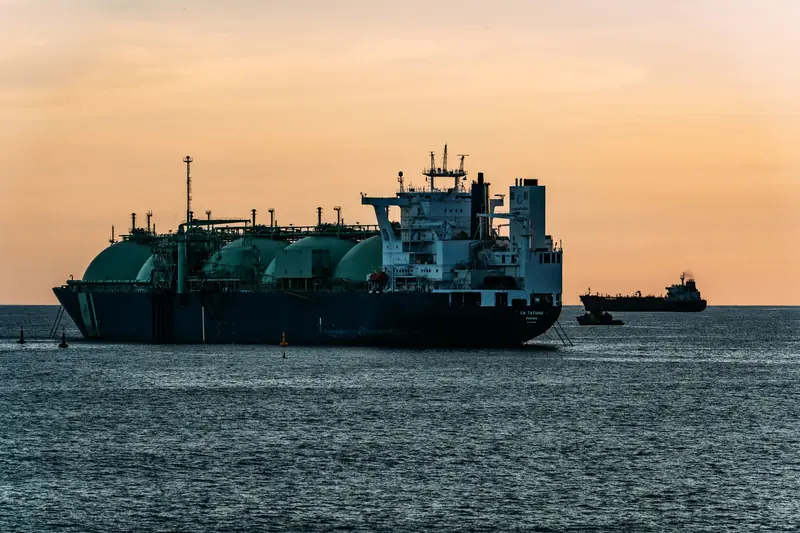
Middle Eastern exporters are managing to boost LNG shipments through the Strait of Hormuz by employing dark loadings and rerouting tactics to mitigate Iranian attack risks. Qatar and the United Arab Emirates have sustained elevated export volumes despite persistent regional threats.

Why it matters: Sustained LNG flows through Hormuz underpin global gas supply resilience; the trend suggests producers view corridor risks as manageable even under conflict.

Sources: Natural Gas Intelligence (opens in a new tab)

05 #LNG #UnitedStates #NaturalGas

US LNG feedgas demand reaches 21.2 Bcf/d record

United States LNG export feedgas demand climbed to 21.2 billion cubic feet per day on Friday, marking the highest level of 2026. The surge is driven by ramp-up of the Golden Pass LNG export terminal in Texas.

Why it matters: Record LNG feedgas demand supports natural gas prices and underlines the scale of new US export capacity coming online, reshaping global LNG trade and competition.

Sources: Natural Gas Intelligence (opens in a new tab)

06 #Africa #Upstream #Exploration

Benin ships first crude cargo in decades from revived field

Benin rejoined West Africa's oil exporters with its first crude shipment in decades from the Seme field, an offshore facility dormant since the late 1990s now operated by state company Akrake Petroleum. The 330,000-barrel cargo loaded in early November.

Why it matters: Benin's return to crude production diversifies West African supply and demonstrates how higher prices attract investment in mature, marginal fields.

Sources: Rigzone (opens in a new tab)

07 #Freight #Shipping #RedSea

Shipping giants triple profit as freight rates surge on disruptions

French container operator CMA CGM and German carrier Hapag-Lloyd reported surging third-quarter earnings on the back of elevated container freight rates and high vessel utilization. Container freight rates jumped sharply amid ongoing Middle East disruptions.

Why it matters: Container shipping profits hinge on route disruptions and limited capacity; today's margins may not persist once Middle East tensions ease or shipyard deliveries flood capacity.

Sources: gCaptain (opens in a new tab)

08 #Refining #Russia #Geopolitics

Ukraine hits nine Russian refineries in November campaign

Ukraine struck its ninth Russian oil refinery since the start of November, attacking Lukoil's Volgograd plant with a capacity of 300,000 barrels per day. Nine Russian refineries now targeted have combined capacity of roughly 2.6 million bpd—about 40% of Russia's total.

Why it matters: Sustained refinery strikes constrain Russian refined products output and boost fuel prices in Russia and adjacent regions, with secondary effects on global trade.

Sources: Rigzone (opens in a new tab)

Summaries are written by Alupetra, with the help of automated tools, from the reports linked; they are for information only and are not investment advice. Images are illustrative and come from our licensed library.

All energy news Live markets