Energy Daily Brief

Energy Daily Brief — 13 November 2026

Oil prices fall on peace hopes while winter gas fears grip Europe. Natural gas rallies on LNG demand and cold forecasts; tanker attacks rattle Gulf shipping.

Live pricesLive

Live prices — loading…

Market data: TradingView. Indicative and possibly delayed; not for trading.

01 #OilPrices #CrudeOil #Geopolitics

Oil falls as Middle East de-escalation hopes grow

Crude has retreated roughly 20% from late-October peaks as traders gain confidence in sustainable peace talks between regional powers, reducing geopolitical risk premium that had kept prices elevated amid the Iran conflict and Russia-Ukraine war.

Why it matters: Geopolitical premium compression typically precedes higher volatility when hopes fade; traders reassessing supply risk and inventory levels as winter demand approaches.

Sources: OilPrice.com (opens in a new tab)
02 #Hormuz #Shipping #WarRisk

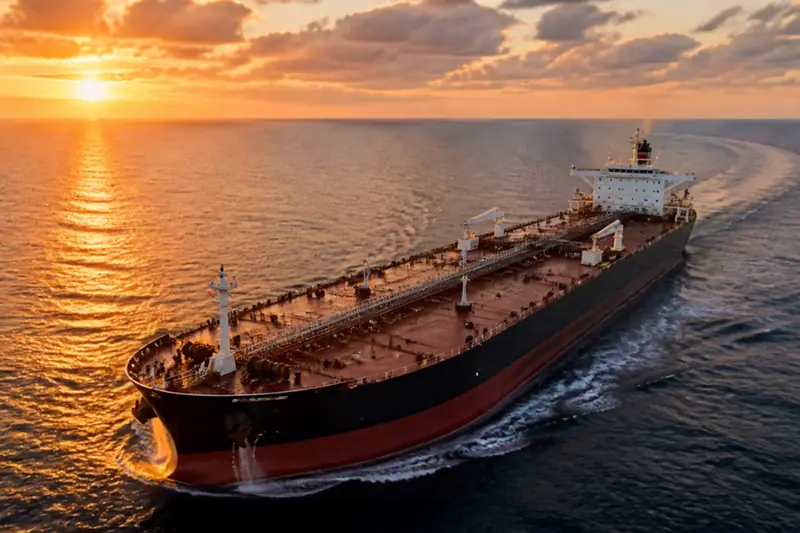
Projectile strike sets cargo vessel alight off UAE

The Liberia-flagged Dominica Prosperity was hit by an unidentified projectile in the engine room, forcing evacuation of all 22 crew including 19 Indian nationals. The strike, among four incidents documented this week in the Persian Gulf, underscores renewed shipping volatility on routes critical to global trade.

Why it matters: War-risk insurance and tanker freight rates respond immediately to security incidents in the Strait of Hormuz; one-third of seaborne traded oil passes through chokepoint already under strain.

Sources: gCaptain (opens in a new tab)

03 #Inventories #LNG #EuropeGas

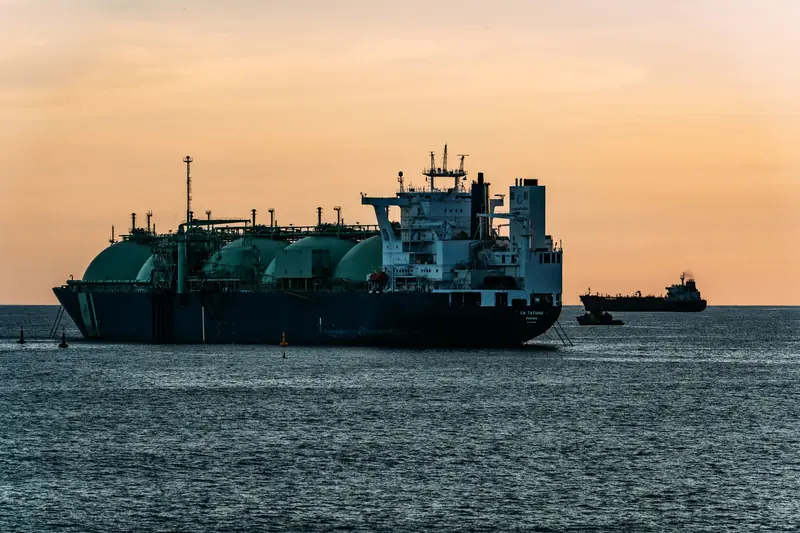
Europe enters winter with lowest gas stockpiles in six years

As temperatures drop, the continent's inventory position has deteriorated to its weakest level since 2020. Asian spot LNG prices have climbed above $30/mmBtu amid competing demand, forcing Europe to bid aggressively for cargoes or face supply tightness.

Why it matters: Low inventory buffers amplify price volatility in response to supply shocks; any production loss or LNG disruption directly pressures European power and heating costs heading into peak demand season.

Sources: OilPrice.com (opens in a new tab)
04 #Venezuela #Upstream

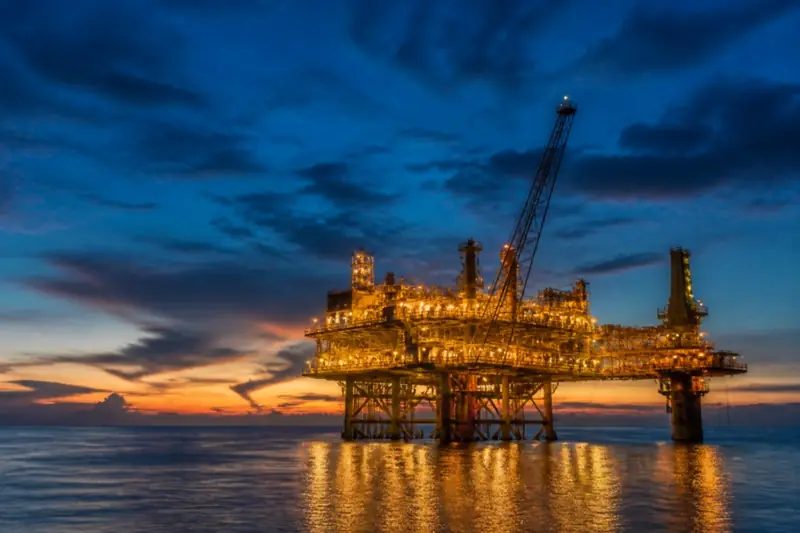
Venezuela opens power sector to private capital after 19-year monopoly

The government has passed legislation allowing private investment in electricity generation for the first time since 2007, prioritising oil and gas producers seeking reliable power supplies to revive production after years of underinvestment and sanctions impact.

Why it matters: Oil output recovery depends on domestic power stability; any progress on Venezuelan crude production affects global supply and could moderate prices if volumes materialize.

Sources: OilPrice.com (opens in a new tab)
05 #NaturalGas #HenryHub #LNG

Natural gas futures jump on winter demand and LNG export surge

Prices rallied for the third time in four days this week as traders noted chilly near-term forecasts, record LNG feed-gas demand pulling from storage, and light production in key basins. Forward prices have consolidated above $3/mmBtu.

Why it matters: Winter demand typically peaks in mid-November; production shortfalls combined with record LNG offtake leave little margin for error; any Arctic outbreak could spike prices further.

Sources: Natural Gas Intelligence (opens in a new tab)

06 #Inventories #Diesel #EIA

US crude inventories swell; refined products follow

US crude oil stockpiles rose 4.7 million barrels in the week ending November 6, while gasoline and distillate inventories also posted builds, suggesting demand weakness or supply imbalance as refineries continue processing crude and market prepares for potential supply disruptions.

Why it matters: Builds typically weigh on prices; however, distillate draws into winter signal heating demand strength ahead, so the mix requires careful analysis of refinery run rates and regional demand.

Sources: OilPrice.com (opens in a new tab)
07 #LNG #Sanctions #EuropeGas

EU LNG imports from Russia surge ahead of January ban

The bloc has already imported more Russian LNG this year than during the entirety of 2025 with six weeks remaining before the full sanctions ban takes effect, reflecting elevated spot purchases and forward contracting to secure supplies.

Why it matters: Sanctions-driven supply shifts reshape global LNG trade flows and pricing; Europe's reliance on spot purchases during a tight winter raises costs and underscores the energy security challenge of decoupling from Russian gas.

Sources: OilPrice.com (opens in a new tab)

Summaries are written by Alupetra, with the help of automated tools, from the reports linked; they are for information only and are not investment advice. Images are illustrative and come from our licensed library.

All energy news Live markets