Energy Daily Brief

Energy Daily Brief — 11 November 2026

Oil prices fell sharply as diplomatic hopes grow for an Iran conflict end, while refinery disruptions in Russia and inventory builds in the US balance the market. Geopolitical risks persist in the Hormuz corridor.

Live pricesLive

Live prices — loading…

Market data: TradingView. Indicative and possibly delayed; not for trading.

01 #CrudeOil #Brent #MiddleEast #Geopolitics

Brent crude falls below $92 on de-escalation optimism

Brent crude declined to below $92 per barrel on Tuesday, marking a 3.7% drop, as market participants interpreted signals of diplomatic progress in the Iran conflict as a sign of reduced geopolitical premium. Technical selling by commodity trading advisers amplified the decline, with long positions cut sharply. Oil prices have fallen substantially from early November highs despite remaining up nearly 50% for the year.

Why it matters: A sustained pullback in oil prices narrows margins for crude traders and refiners, particularly important as winter demand approaches in key consumption regions.

Sources: Rigzone (opens in a new tab)
02 #Inventories #Diesel #UnitedStates

Sharp rise in US crude inventory pressures prices

The American Petroleum Institute (API) estimated a notable build in US crude oil inventories for the week ending 6 November, marking a reversal from the previous week's decline. Distillate stockpiles also accumulated, pointing to softer seasonal demand than expected heading into winter. The inventory builds suggest traders face ample supply options as global crude prices have retreated.

Why it matters: Inventory accumulation signals demand weakness or oversupply, metrics traders monitor closely when setting physical crude costs and product spreads across fuel types.

Sources: OilPrice.com (opens in a new tab)

03 #Refining #Diesel #Russia #Supply

Ukrainian strikes knock out 30% of Russia's refining capacity

Ukrainian drone strikes have disabled Russian refineries representing approximately 30% of the country's total processing capacity since late October. The disruptions strike at Moscow's efforts to boost diesel exports, a strategy central to the recent Trump administration energy deal. Fuel supply constraints in Russia are deepening as winter demand rises.

Why it matters: Refinery outages reduce global refined product supply, supporting diesel and other product prices, particularly for buyers seeking non-Russian sources.

Sources: OilPrice.com (opens in a new tab)

04 #Diesel #Shipping #Sanctions

Russian diesel cargo drifts as US port rejection looms

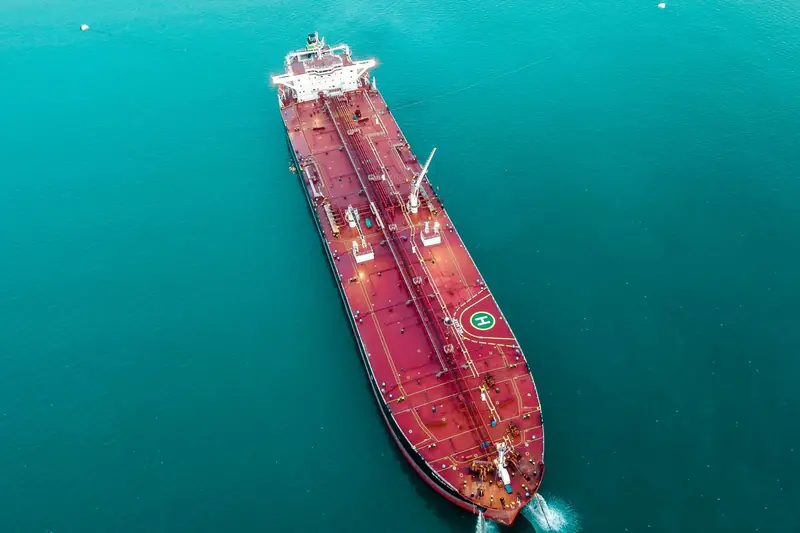
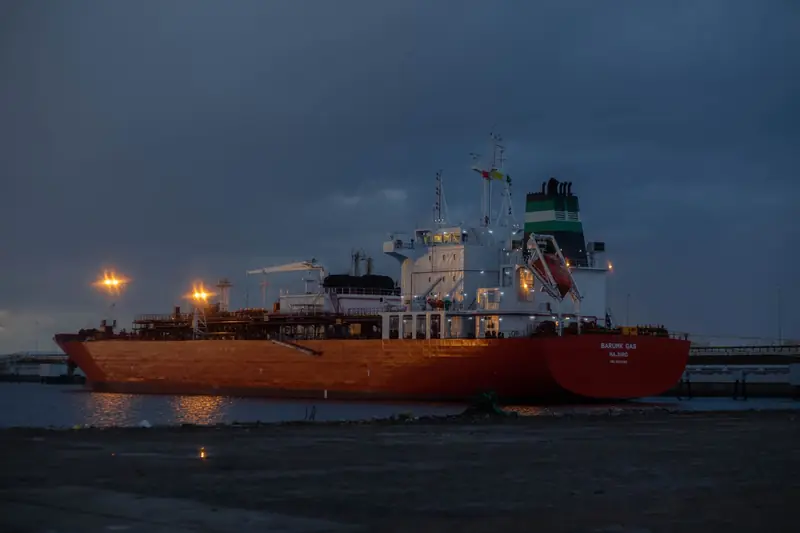
A Malta-flagged tanker carrying 40,000 tonnes of Russian ultra-low sulphur diesel that departed Russia in late October finds itself without a confirmed destination after arriving off the US Atlantic coast. State governors and US lawmakers have warned port operators against accepting the shipment, citing legal prohibitions on Russian fuel imports, placing the vessel in limbo and throwing into question a recent Trump administration deal to purchase Russian energy products.

Why it matters: Uncertainty over US policy toward Russian fuel shipments creates pricing volatility for diesel traders and refiners, particularly those hedging North American refined product markets.

Sources: gCaptain (opens in a new tab)

05 #NaturalGas #EIA #Inventories #Forecast

EIA forecasts higher gas storage, pressuring winter prices

The US Energy Information Administration raised its November natural gas storage forecast by nearly 70 billion cubic feet following a warm month start. The revised outlook predicts higher storage levels throughout winter, leading EIA to cut its Henry Hub price forecast to $2.87 per MMBtu from November through March, 16% lower than October's forecast.

Why it matters: Rising storage and lower forecasts ease winter supply concerns, reducing upside price risks for gas buyers but pressuring returns for gas producers and exporters.

Sources: EIA (opens in a new tab)

06 #Hormuz #Shipping #MiddleEast

Persian Gulf crude flows approach pre-war levels despite market oversupply

Crude oil flows through the Strait of Hormuz and across the Middle East have recovered to close to pre-war levels over the past month, vessel-tracking services report. The recovery comes amid signs of crude oversupply and weakening Middle Eastern crude benchmarks, as diplomatic progress reduces perceived shipping risks in the region.

Why it matters: Higher Persian Gulf flows increase global crude supply availability, contributing to falling prices, though the recovery benefits buyers and refiners seeking diverse crude sources.

Sources: OilPrice.com (opens in a new tab)

07 #Hormuz #Shipping #Geopolitics

Two tanker strikes in Gulf raise Hormuz security concerns

ADNOC Logistics & Services reported damage to one of its vessels in waters off the UAE coast on 10 November, while maritime authorities separately documented a projectile strike against a commercial tanker near the Strait of Hormuz. Crew members were reported safe on both occasions, yet the paired incidents signal that security risks remain elevated along a crucial shipping corridor carrying over a quarter of the world's seaborne oil.

Why it matters: Shipping strikes drive up insurance and charter costs, affecting the landed cost of crude in Asia and Europe; traders hedge such geopolitical premiums into forward crude and product positions.

Sources: gCaptain (opens in a new tab)

Summaries are written by Alupetra, with the help of automated tools, from the reports linked; they are for information only and are not investment advice. Images are illustrative and come from our licensed library.

All energy news Live markets