Energy Daily Brief

Energy Daily Brief — 5 November 2026

Brent crude crashed 10% after US midterm results raised hopes for an Iran war settlement, unlocking Hormuz shipping. Global LNG demand surged while African producers accelerated expansion.

Live pricesLive

Live prices — loading…

Market data: TradingView. Indicative and possibly delayed; not for trading.

01 #CrudeOil #Hormuz #Iran #OilPrices

Brent crashes 10% as midterms shift Iran-war outlook

Brent fell to $93.22 per barrel (lowest since August 31), while WTI plummeted 8.3% to $88 as Democratic victories in US elections raised expectations that the Iran conflict could end sooner. Political pressure mounted to restore energy flows through the Strait of Hormuz, with Senate Democrats pledging to pursue peace.

Why it matters: The geopolitical risk premium on crude had priced in a prolonged conflict blocking Hormuz. Any credible path to settlement could trigger major repricing of physical crudes and knock-on effects for the structure of global oil flows.

Sources: Rigzone (opens in a new tab)
02 #LNG #NaturalGas #Asia #Hormuz

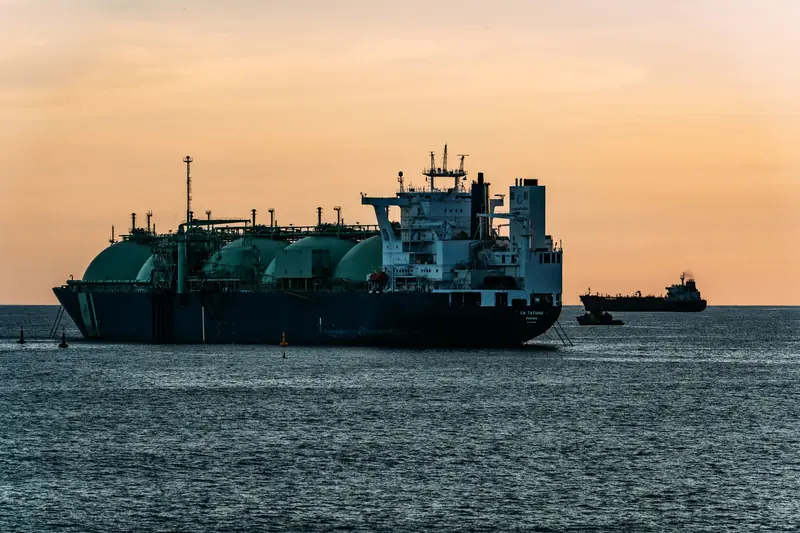
Global LNG supply crunch worsens as Asian buyers compete

Asia and Europe face a race for limited LNG cargoes as spot prices tripled since year-start. The US exports record volumes while Qatar extended force majeure, tightening supply as AI-driven electricity demand surges worldwide. Africa's LNG exports are forecast to grow 175% as buyers diversify away from Hormuz geopolitical risk.

Why it matters: LNG spot market dynamics directly impact physical fuel costs for power plants and trading margins on cargoes routed to different regions, with freight premiums reflecting supply tightness.

Sources: OilPrice.com (opens in a new tab)

03 #LNG #Qatar #NaturalGas #Hormuz

Qatar becomes top US LNG buyer amid Hormuz crisis

Qatar, formerly the world's second-largest LNG exporter, has become the largest buyer of American liquefied natural gas, an extraordinary reversal driven by the Iran war and supply disruptions through the Strait of Hormuz. The Gulf nation now sources volumes previously supplied internally.

Why it matters: Qatar's shift from exporter to importer signals how Hormuz disruptions have realigned global LNG trade flows, creating arbitrage opportunities in spot markets and affecting term contract balances.

Sources: OilPrice.com (opens in a new tab)

04 #Hormuz #Pipelines #UAE #Shipping

UAE plans third bypass pipeline to reduce Hormuz dependence

Abu Dhabi National Oil Company is weighing a third crude export pipeline from the UAE's western coast to Fujairah port, following two existing or planned links. The pipeline would reduce reliance on the Strait of Hormuz and be open to third-party users, bolstering supply security during geopolitical disruptions.

Why it matters: Additional bypass capacity lets Gulf exporters route volume outside chokepoint constraints, affecting tanker route selection, freight rates, and the structure of regional crude benchmarks tied to Hormuz flows.

Sources: Rigzone (opens in a new tab)
05 #Inventories #UnitedStates #OilPrices #Refining

US crude inventories fall as demand holds steady

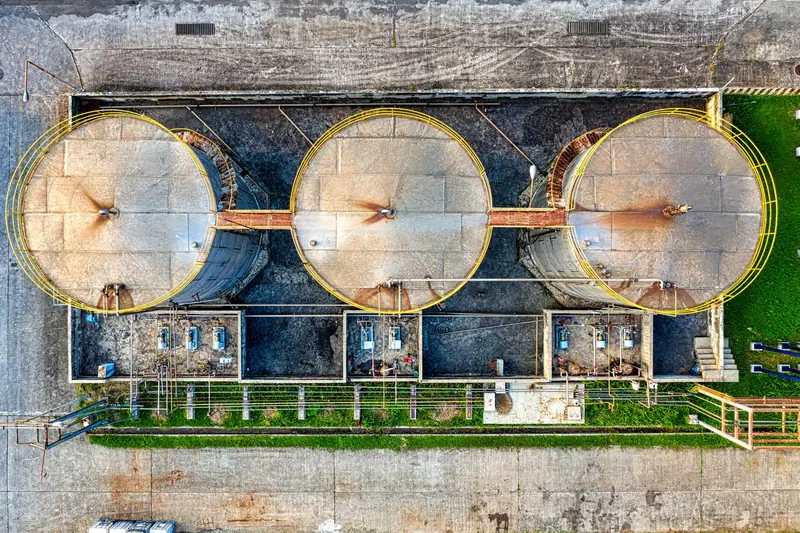
US crude stockpiles fell by under one million barrels for the week ending October 30, driven by robust refinery throughput and steady consumption across the country. The weekly decline continues a supportive trend, with product demand off the lows seen earlier in the year, underpinning margin economics for refiners processing Gulf and domestic crude.

Why it matters: Weekly inventory levels influence crude futures curve structure and physical spot pricing; a sustained draw signals firm refinery runs and can tighten backwardation spreads on dated crudes.

Sources: OilPrice.com (opens in a new tab)

06 #NaturalGas #Europe #Pipelines #Upstream

Fire shuts Equinor's Visund platform, removing 13.2 Mcm/day gas

An electrical fire at Norway's Visund platform on Wednesday forced Equinor to shut production and export operations across the entire asset, idling 13.2 million cubic metres per day of gas supply. The unplanned offline comes as Europe enters winter with tight gas inventory balances.

Why it matters: Unplanned supply disruptions tighten European gas markets heading into winter, affecting TTF natural gas forwards and LNG export economics for suppliers competing for Asian buyers.

Sources: OilPrice.com (opens in a new tab)

07 #NaturalGas #UnitedStates #Inventories #Pricing

Natural gas spot market steadies as buyers capitalize on lows

Next-day natural gas prices advanced in most North American regions on Wednesday after recent weakness attracted bargain purchasing. The recovery, supported by lower production and cooler weather forecasts, steadied the market after steep declines driven by abundant supplies.

Why it matters: Spot price strength at Henry Hub levels affects the economics of US LNG feedgas demand and export competitiveness against other global supply regions entering the winter demand season.

Sources: Natural Gas Intelligence (opens in a new tab)

08 #LNG #Africa #Upstream #Hormuz

Africa set to soar as LNG buyers flee Hormuz geopolitical risk

African LNG export capacity is projected to grow 175% through 2030, attracting approximately $40 billion annually in upstream investment. Energy buyers burned by Strait of Hormuz disruptions are diversifying towards African producers, creating new supply pathways independent of Gulf geopolitical risk.

Why it matters: Diversification of LNG source countries reduces concentration risk for buyers and creates new arbitrage routes; African projects compete on delivery economics and supply reliability rather than geopolitical leverage.

Sources: OilPrice.com (opens in a new tab)

Summaries are written by Alupetra, with the help of automated tools, from the reports linked; they are for information only and are not investment advice. Images are illustrative and come from our licensed library.

All energy news Live markets