Energy Daily Brief

Energy Daily Brief — 2 November 2026

Hormuz shipping disruptions and weak natural gas demand reshape energy markets, whilst LNG supply gains ground in the US and European storage concerns mount.

Live pricesLive

Live prices — loading…

Market data: TradingView. Indicative and possibly delayed; not for trading.

01 #Hormuz #Shipping #Geopolitics

Hormuz shipping conflicts exact economic toll on both sides

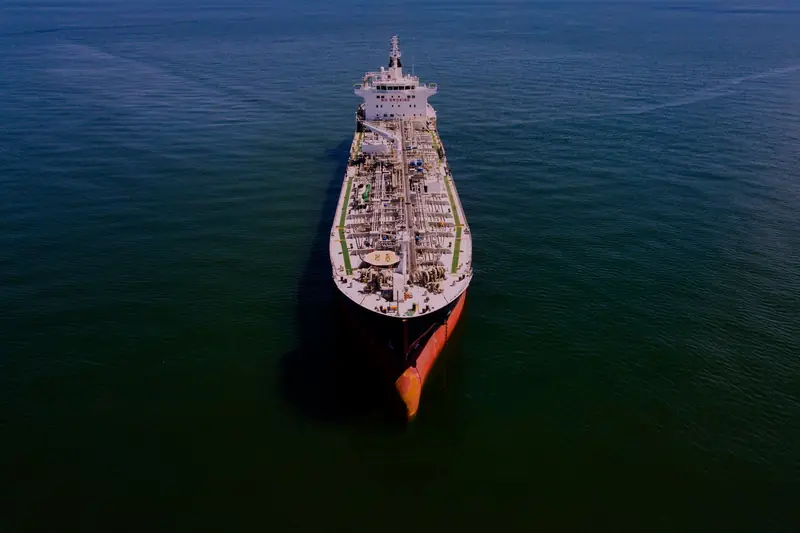
Iran's intermittent strikes on commercial vessels in the Strait of Hormuz have locked the US and Tehran in a costly standoff, with both sides feeling the economic squeeze. US President Trump threatens renewed attacks as shipping disruptions continue, impacting tanker routes that carry a third of global seaborne oil.

Why it matters: Hormuz transits one-third of seaborne oil trade. Disruptions raise war risk insurance and freight costs, directly affecting crude price premiums and refiners' landed costs.

Sources: gCaptain (opens in a new tab)

02 #Brent #OilPrices #MarketOutlook

Brent gains fourth month despite Hormuz recovery reports

Crude oil prices have proven resilient to headline news, with Brent marking a fourth consecutive monthly gain even as reports suggested Hormuz flows had recovered to pre-war levels. Market fundamentals appear to outweigh geopolitical headlines in recent trading.

Why it matters: Demonstrates that physical supply-demand balance matters more than headlines; confirms market depth and structural support for prices amid ongoing tension.

Sources: OilPrice.com (opens in a new tab)

03 #LNG #UnitedStates #SupplyChain

Venture Global starts commercial LNG exports from Louisiana

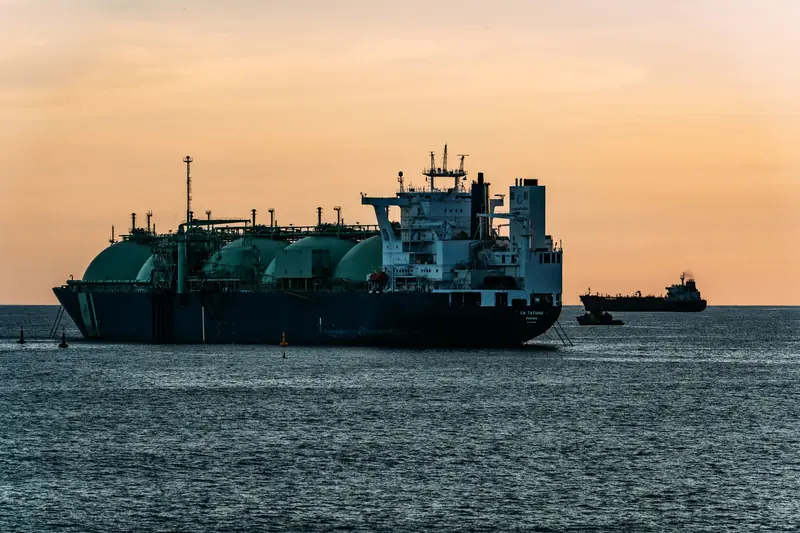
Venture Global's Plaquemines LNG facility entered commercial operations and loaded its first cargo for Shell, followed by deliveries for Orlen, Sinopec, CNOOC Gas & Power and EDF under long-term contracts. Phase 1 commissioning completed 22 months after first production, with pricing significantly discounted from recent highs.

Why it matters: New US LNG supply increases competition with Middle Eastern producers; long-term contracts offer lower-cost alternatives to spot markets near $34/mmBtu.

Sources: gCaptain (opens in a new tab)
04 #LNG #EuropeGas #Inventories

Low EU storage levels pose winter LNG price risk

European natural gas storage levels remain depressed, creating potential for LNG price volatility into winter. BP warned that low inventory cushions mean less room to absorb supply shocks, increasing exposure to Middle Eastern disruptions and geopolitical events.

Why it matters: Lower storage buffers reduce flexibility; Europe must draw more LNG at spot prices or face supply gaps, widening the price spread between regions.

Sources: Natural Gas Intelligence (opens in a new tab)

05 #NaturalGas #UnitedStates #Demand

Weak demand haunts US natural gas cash markets

The natural gas cash market faces sustained demand weakness, with buyers showing reluctance to commit volume at current prices. Mild weather patterns and ample supplies across North America continue to suppress near-term cash prices, even as forward contracts show relative support from seasonal demand expectations.

Why it matters: Low cash prices and weak demand signal end-user demand destruction; refineries and power plants show elasticity to low pricing, pressuring producer economics.

Sources: Natural Gas Intelligence (opens in a new tab)

06 #NaturalGas #Europe #Upstream

EU softens Arctic oil and gas restrictions in strategy draft

The European Union has removed explicit moratorium language on Arctic oil and gas drilling from its strategy draft, marking a policy shift from its 2021 stance. The revised text prioritises renewable energy but omits calls for a blanket fossil fuel ban in polar regions, following Norwegian lobbying.

Why it matters: Norway supplies a third of EU gas; loosening Arctic restrictions signals potential openness to Norwegian Arctic supply, affecting long-term LNG import dependency.

Sources: gCaptain (opens in a new tab)
07 #NaturalGas #LNG #Inventories

Natural gas prices pressed by bearish supply-demand balance

Natural gas prices continue to battle a bearish supply-demand balance, with abundant production across US shale and Canada creating persistent downward pressure. Despite seasonal demand building into winter, current market dynamics reflect structural oversupply and trader expectations that weakness will persist into spring.

Why it matters: Structural oversupply at Henry Hub limits upside; constrains producer cash flows and refinery margins for LNG liquefaction.

Sources: Natural Gas Intelligence (opens in a new tab)

08 #CrudeOil #Upstream #SupplyChain

Eni reactivates Venezuelan supergiant after forced shutdown

Eni has reactivated its supergiant Perla oilfield in Venezuela after an extended shutdown, bringing significant volumes back to the South American market. The restart adds crude supply from one of the world's largest proven reserves.

Why it matters: Venezuelan oil returns supply to global markets; impacts OPEC+ spare capacity dynamics and could moderate crude prices if volumes reach production targets.

Sources: Rigzone (opens in a new tab)

Summaries are written by Alupetra, with the help of automated tools, from the reports linked; they are for information only and are not investment advice. Images are illustrative and come from our licensed library.

All energy news Live markets