Energy Daily Brief

Energy Daily Brief — 31 October 2026

Brent surges toward $120 as Iran tensions escalate, while refinery profits hit record highs across the industry. LNG markets face supply tightness and demand shifts, with new US capacity and Japan's import shift reshaping flows.

Live pricesLive

Live prices — loading…

Market data: TradingView. Indicative and possibly delayed; not for trading.

01 #CrudeOil #Iran #Hormuz #OilPrices

Oil rallies on renewed US-Iran military escalation risk

Brent crude advanced to fresh four-month highs near $118 a barrel as traders priced in escalating military tensions between Washington and Tehran over the Strait of Hormuz, the world's most critical energy chokepoint. December Brent, expiring Friday, settled near session highs while January contracts pulled back slightly after Trump said peace talks were taking place.

Why it matters: Middle East supply disruption risk remains the primary driver of crude upside. Brent's fourth consecutive monthly gain reflects ongoing concerns about regional conflict and the 10% of global refining capacity currently offline.

Sources: Rigzone (opens in a new tab)
02 #Refining #Europe #EnergySecurity #RefinedProducts

Europe reverses course on refinery closures amid energy crisis

European policymakers are reconsidering decades-old clean energy policies that mandated a phased shutdown of oil refineries. Market realities and energy security concerns driven by Middle East conflict and Russian sanctions have prompted a strategic rethink of capacity constraints.

Why it matters: Refining margins at record levels have exposed the economic cost of reducing European refining infrastructure. Tight product markets and geopolitical supply disruption risks are forcing energy planners to balance climate goals with supply security.

Sources: OilPrice.com (opens in a new tab)

03 #Refining #Diesel #OilPrices #Upstream

ExxonMobil profit doubles to $15.4 billion amid refining boom

ExxonMobil reported third-quarter earnings of $15.4 billion, more than double the prior year, with its refining division capturing the windfall from elevated diesel prices and capacity constraints. The company earned $3.72 per share as Gulf Coast plants ran at full capacity.

Why it matters: Refining profits of this magnitude rarely persist; they reflect the extraordinary tightness created by Middle East conflict sidelining 10% of global capacity. Trading desks should monitor when these margins will eventually correct.

Sources: OilPrice.com (opens in a new tab)

04 #LNG #NaturalGas #Iran #Hormuz

TotalEnergies flags higher LNG prices as Iran conflict persists

TotalEnergies posted double-digit percentage increases in LNG sales revenue during the third quarter as Middle East tensions squeezed supply. The company signalled prices would continue climbing through the end of the year as ongoing conflict disrupts shipping routes and constrains available volumes for global buyers.

Why it matters: LNG price support from supply-side friction contrasts sharply with the weak fundamentals in other energy markets. Traders betting on LNG weakness should monitor Strait of Hormuz incidents and Iran conflict developments.

Sources: Natural Gas Intelligence (opens in a new tab)

05 #Hormuz #Shipping #TankerFreight #MarineInsurance

Tanker attacked with limpet mines in Strait of Hormuz

A tanker transiting the Strait of Hormuz was struck by explosives attached to its hull by a small boat, sparking an engine room fire and temporarily disabling the vessel. The October 29 attack marks an escalation in tactics against commercial shipping already facing repeated drone and missile strikes.

Why it matters: The introduction of limpet mines represents a new threat vector for tanker operators and maritime insurers. Shipping costs and loss-of-hire premiums will remain elevated as long as this tactic remains uncontested.

Sources: gCaptain (opens in a new tab)

06 #LNG #UnitedStates #Shipping #NaturalGas

ST LNG project offshore Texas receives regulatory approval

The $8.2 billion Texas ST LNG export terminal cleared key regulatory hurdles from the Maritime Administration, completing its environmental review in just 410 days — a 70% faster pace than the historical average for deepwater port licensing.

Why it matters: New US LNG export capacity coming online supports long-term US energy security and provides downstream demand for Appalachian and Permian natural gas. The accelerated review process may establish a new template for future infrastructure approvals.

Sources: gCaptain (opens in a new tab)

07 #LNG #China #Asia #NaturalGas

Japan poised to overtake China as world's largest LNG buyer

Japan is on track to become the world's biggest LNG importer for the first time since 2022, as elevated LNG prices and ample storage holdings dampen Chinese demand. The shift reflects structural changes in regional demand dynamics.

Why it matters: This demand redistribution has implications for contract flows and spot pricing across the Atlantic and Pacific LNG markets. Traders should monitor Chinese storage levels and power generation demand for signs of demand recovery.

Sources: OilPrice.com (opens in a new tab)

08 #OilStocks #UnitedStates #Inventories #EIA

US commercial crude inventories slide week-on-week

US commercial crude reserves declined by 1.9 million barrels to reach 410.6 million in the week ending October 23, down 1.3 percent compared to the same week a year earlier. Total petroleum inventories dropped 3.1 million barrels as demand outpaced supply additions.

Why it matters: Declining inventories reflect strong demand and ongoing supply constraints from Middle East conflict. Strategic Petroleum Reserve holdings fell to 282.6 million barrels, down 30.9 percent from a year ago, limiting government options for supply relief.

Sources: Rigzone (opens in a new tab)
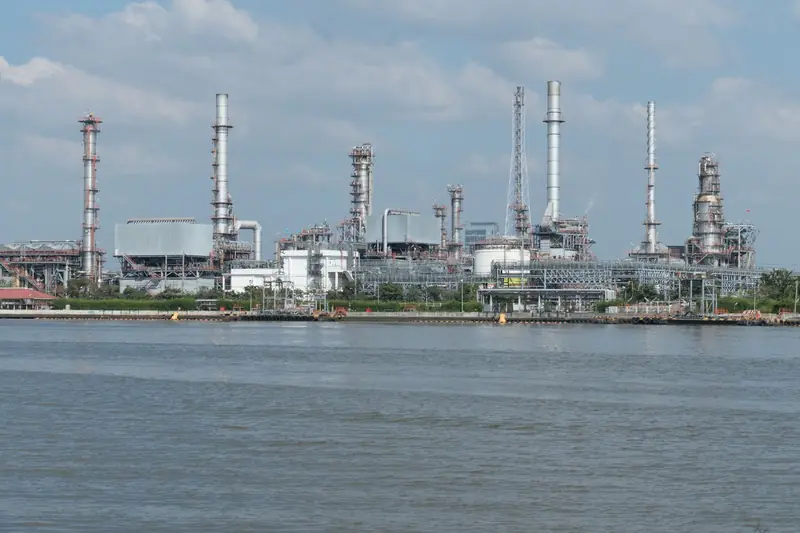
Summaries are written by Alupetra, with the help of automated tools, from the reports linked; they are for information only and are not investment advice. Images are illustrative and come from our licensed library.

All energy news Live markets