
Energy Daily Brief

Energy Daily Brief — 29 October 2026

Oil climbs on geopolitical risks as refinery damage narrows supplies. LNG demand surges in India and the US, while tanker rates spike amid Hormuz tensions.

Live pricesLive

Live prices — loading…

Market data: TradingView. Indicative and possibly delayed; not for trading.

01 #CrudeOil #Iran #Brent #OPECPlus

Peace talks fail to ease oil market tensions

Diplomatic efforts between Saudi Arabia, Turkey, Pakistan and Iran have renewed, but crude markets remain focused on potential US military action after next week's midterms. Oil rose as traders weighed whether escalation would follow the US elections, with market sentiment pricing in a higher probability of renewed conflict.

Why it matters: Physical oil flows remain highly sensitive to geopolitical developments in the Middle East, directly affecting crude prices for all trading activities.

Sources: OilPrice.com (opens in a new tab)
02 #Refining #Diesel #OilMarket #MiddleEast

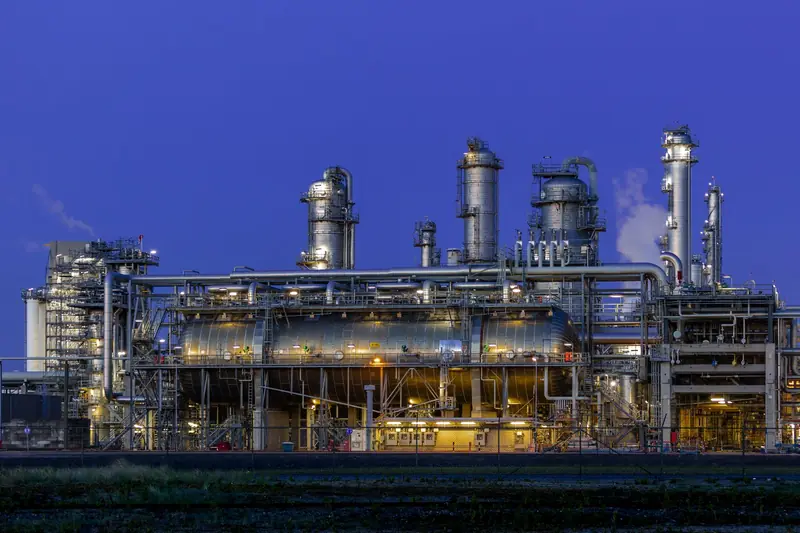
Gulf refinery damage deepens global fuel shortage

Refinery capacity damaged in the Middle East has reduced fuel production at a time when European refineries continue closing. The loss of processing capacity is widening the supply-demand gap for refined products and tightening global fuel availability for traders.

Why it matters: Refinery outages directly constrain diesel, gasoline and jet fuel supplies, affecting physical crude demand and product trading economics.

Sources: OilPrice.com (opens in a new tab)
03 #LNG #NaturalGas #UnitedStates #Shipping

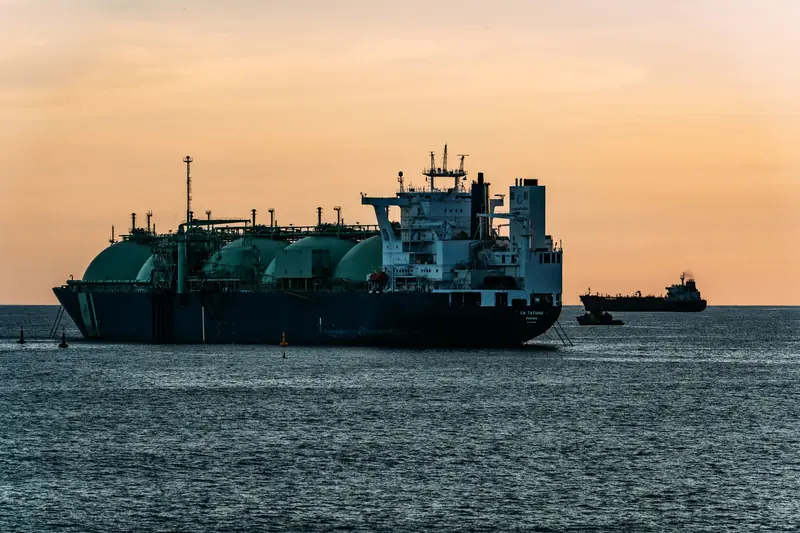
Trump administration fast-tracks $8.2B Texas LNG export port

A new Texas offshore LNG facility received regulatory approval in record time, completing environmental review in roughly one-third the historical duration. The project will contribute significant new export capacity to global markets when operations commence in 2029.

Why it matters: New LNG export capacity directly impacts global gas prices and supply balances, reducing US dependence on imports and reshaping regional LNG markets.

Sources: gCaptain (opens in a new tab)

04 #LNG #NaturalGas #Asia #Shipping

India buys record LNG volumes as prices triple

India is importing record volumes of LNG after domestic natural gas production declined, even as it expanded gas infrastructure to reach more customers. The market's tripled pricing has strained Indian import budgets, yet demand drivers such as power generation and industrial growth continue to support strong offtake requirements.

Why it matters: Record Asian demand tightens global LNG markets, supporting higher spot prices and affecting supply allocations for other importing regions.

Sources: OilPrice.com (opens in a new tab)

05 #NaturalGas #UnitedStates #LNG #Upstream

US natural gas output hits record as data centres drive demand

US natural gas output is set to achieve record production for the second consecutive year, driven by growing demand from data centres, AI infrastructure and liquefied export terminals. Producers are responding to strong offtake signals from both domestic and overseas customers, reinforcing supply growth expectations.

Why it matters: Record US production supports LNG export capacity but tightens domestic supply margins, affecting pricing across North American markets.

Sources: OilPrice.com (opens in a new tab)
06 #Brent #OilPrices #PriceForecast #CrudeOil

UBS raises year-end Brent forecast to $110

The Swiss bank raised its Brent crude price forecast for the second time this month, citing persistent supply shortfalls from damaged Gulf production capacity. The revised outlook now projects year-end prices significantly higher, with forward curves also adjusted upward across 2027.

Why it matters: Analyst price targets reflect reduced supply expectations and persistent geopolitical premiums, influencing hedging and forward pricing strategies.

Sources: OilPrice.com (opens in a new tab)

07 #Hormuz #Shipping #Tankers #Freight

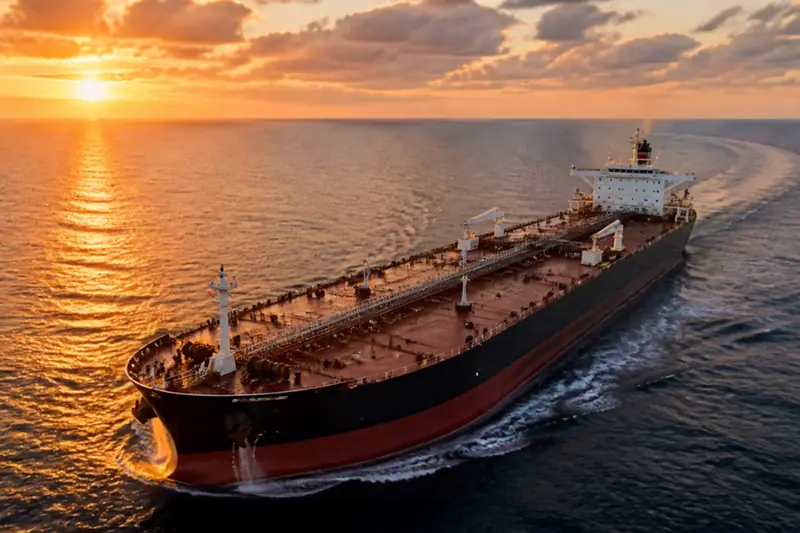
US warns ships to avoid unnecessary Hormuz transits

US Naval Forces Central Command advised vessels with no urgent business to avoid the Strait of Hormuz due to geopolitical tensions. Ships transiting the area are advised to plan extra time for increased military operations and potential delays.

Why it matters: Hormuz advisory increases voyage times and insurance costs, tightening tanker supply and pushing shipping rates higher across crude and product markets.

Sources: gCaptain (opens in a new tab)

Summaries are written by Alupetra, with the help of automated tools, from the reports linked; they are for information only and are not investment advice. Images are illustrative and come from our licensed library.

All energy news Live markets