Fresh
New catalyst from the manufacturer, in oxidic form or pre-sulphided and pre-activated so the unit can start up faster. Sold on the manufacturer’s guarantee of activity and cycle length.

Market data: TradingView. Indicative and possibly delayed; not for trading.
Base oils, additives & catalysts
Fresh and regenerated catalysts for hydrotreating, hydrocracking, dewaxing, FCC and reforming units, with collection and metals recovery of spent material through licensed recoverers.
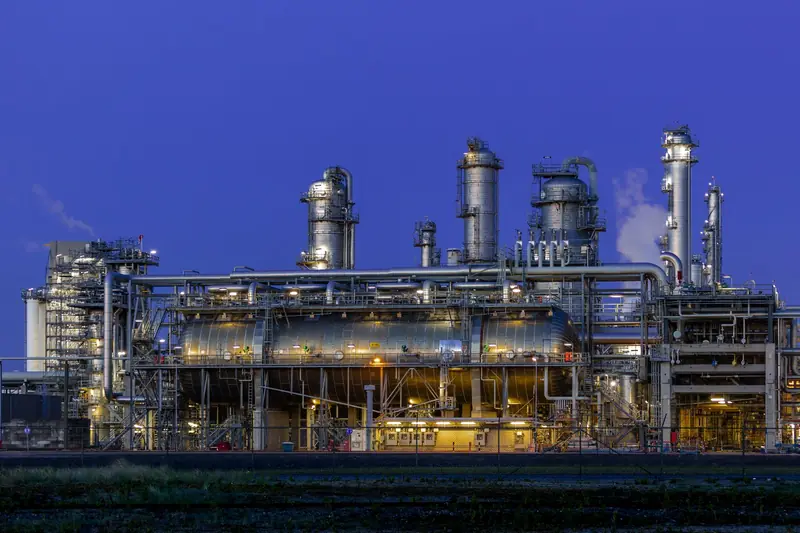
Catalysts are what turn crude fractions into fuels and base oils: every hydrotreater, hydrocracker, FCC unit, reformer and dewaxing unit runs on a bed of them that is replaced every one to five years. We source fresh and regenerated catalysts for refineries, base oil plants and petrochemical units, and arrange the collection and metals recovery of spent material.
Each catalyst is sold against the manufacturer’s data sheet and certificate of analysis. The parameters that typically matter are:
Catalysts by unit
The chemistry is set by the licensor and the manufacturer; the choice between suppliers, between fresh and regenerated loads and the timing of the change-out are commercial decisions.
| Unit | Typical catalyst | What it does |
|---|---|---|
| Hydrotreating (naphtha, kerosene, diesel, VGO) | CoMo and NiMo on alumina | Removes sulphur, nitrogen and metals to meet fuel specifications and protect downstream units |
| Hydrocracking | NiMo or NiW on amorphous silica–alumina or zeolite | Converts VGO to diesel, jet fuel and Group II/III base oil feed |
| Catalytic dewaxing and hydrofinishing | Pt or Pd on SAPO-11, ZSM-5 or other zeolites | Isomerises wax to lower the pour point of base oils and diesel; hydrofinishing improves colour and stability |
| Fluid catalytic cracking (FCC) | Zeolite Y in an alumina–clay matrix; ZSM-5 additives | Cracks heavy gas oil to gasoline, LPG and propylene; consumed continuously as fresh make-up |
| Catalytic reforming | Pt–Re or Pt–Sn on chlorided alumina | Raises naphtha octane and produces hydrogen and aromatics |
| Isomerisation | Pt on chlorided alumina or on zeolite | Converts light naphtha to high-octane isoparaffins |
| Hydrogen plant and shift | Ni steam-reforming catalyst; Fe–Cr and Cu–Zn shift catalysts | Makes the hydrogen that hydrotreaters and hydrocrackers consume |
| Sulphur recovery (Claus) | Activated alumina and titania | Converts H₂S from treating units into elemental sulphur |
Lifecycle
New catalyst from the manufacturer, in oxidic form or pre-sulphided and pre-activated so the unit can start up faster. Sold on the manufacturer’s guarantee of activity and cycle length.
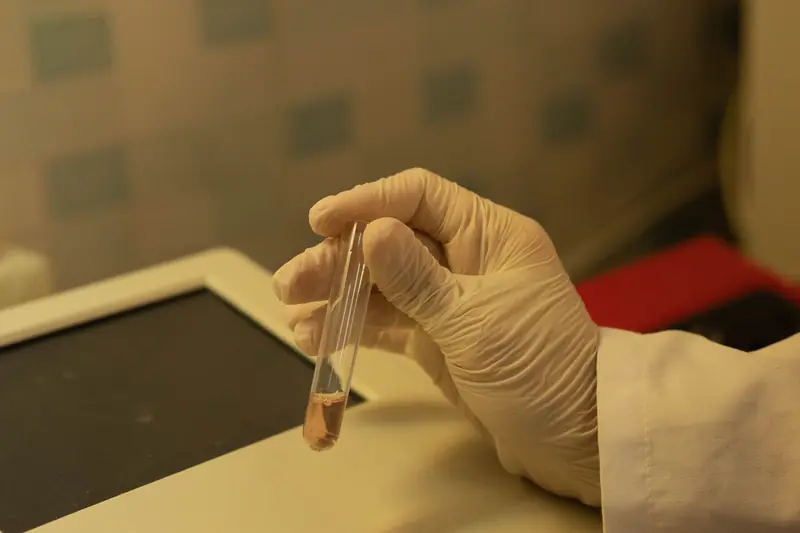
Hydrotreating catalyst whose carbon and sulphur have been burned off ex situ, often with rejuvenation to redisperse the metals. Typically 80 to 95 % of fresh activity at a fraction of the price, and widely used in less demanding services and guard beds.
Catalyst at the end of its life is hazardous waste under the Basel Convention and most national rules. It is valued on its recoverable molybdenum, nickel, cobalt, vanadium, tungsten or platinum-group metals, net of transport and treatment, and may only move to licensed recoverers under prior notification.
Alupetra does not manufacture, regenerate or process catalysts. We source from licensed manufacturers and regenerators, and arrange spent-catalyst collection only with licensed recoverers and under the applicable waste-shipment rules.
Market prices
Catalyst prices are quoted per kilogram or per cubic metre of reactor load, under a tender or a term agreement for a planned change-out, and by spot quotation for top-ups. There is no public assessment. Base-metal catalysts (Co, Mo, Ni, W) carry a metals component that follows the London Metal Exchange and minor-metals markets; precious-metal catalysts (Pt, Pd, Re) are usually sold as a fabrication charge with the metal supplied on lease or consignment at the daily fixing.
Spent catalyst is priced the other way round: the recoverer pays for, or charges for, the material depending on the value of the metals it contains against the cost of transport, sampling, assay and treatment.
Related insight Base Oil Prices 2026 — Why Group III Costs Almost Three Times Group I Read the analysisMarket data: TradingView. Indicative and possibly delayed; not for trading.
Refinery margins, and therefore catalyst change-out budgets, follow the price of crude and of the products it makes. All live markets
Base oil, additive and catalyst prices are assessed by price-reporting agencies and by producers’ postings. Those assessments are licensed and are not reproduced here. We send written price indications on request, indexed to the published assessment of the buyer’s choice.
We do not publish price lists or “available allocations”. Offers are issued in writing only, from an @alupetra.com address, once KYC is complete for both parties.
Questions
Fresh catalyst comes new from the manufacturer with its full activity and guarantee. Regenerated catalyst has been used, then had its coke and sulphur burned off ex situ and often been rejuvenated; it recovers most of its activity at a much lower price and is used where the duty allows. Catalyst poisoned with metals such as vanadium or arsenic cannot be regenerated.
Only under the hazardous-waste rules of the exporting and importing countries, which for most routes means prior written notification and consent under the Basel Convention and, in Europe, the Waste Shipment Regulation, and movement only to a licensed recovery facility. We arrange this with licensed recoverers; we do not move spent material outside those rules.
As two parts. The manufacturer charges for making the catalyst; the platinum, palladium or rhenium it contains is supplied by the refinery from its own metal account, bought at the daily fixing or leased for the cycle, and returned when the spent catalyst is refined. The metal is usually worth far more than the fabrication charge.
Products
Send us the grade or product, specification, quantity, packaging, delivery terms and destination. We will respond after the KYC stage.