Key figures
- 133incidents involving merchant ships confirmed by the IMO as of 10 November.gCaptain
- 25seafarers killed at least since the conflict began on 28 February.gCaptain
- 65%how far Hormuz traffic remains below pre-conflict levels, according to UKMTO.Gulf News
What did the IMO say about the Strait of Hormuz?
IMO Secretary-General Arsenio Dominguez on 11 November urged governments to enforce international maritime rules in the Strait of Hormuz, gCaptain reported [1]. Referring to the International Convention for the Safety of Life at Sea (SOLAS) and other IMO regulations, he said: "They must be respected and enforced effectively" [1]. He pointed to ships hiding their IMO identification numbers, substandard vessels and fraudulent registrations or false flags [1].
Dominguez called on flag, port and coastal states to act against violations and said he "strongly urge[s] shipowners and operators to refrain from commercial activities in the Strait that expose seafarers to unacceptable risks" [1]. He also said: "It is imperative for Governments to tackle the root causes of this conflict" [1]. In an earlier statement the IMO said ships should not transit the strait without credible security guarantees, which it described as currently absent [3].
How many ships and seafarers have been hit?
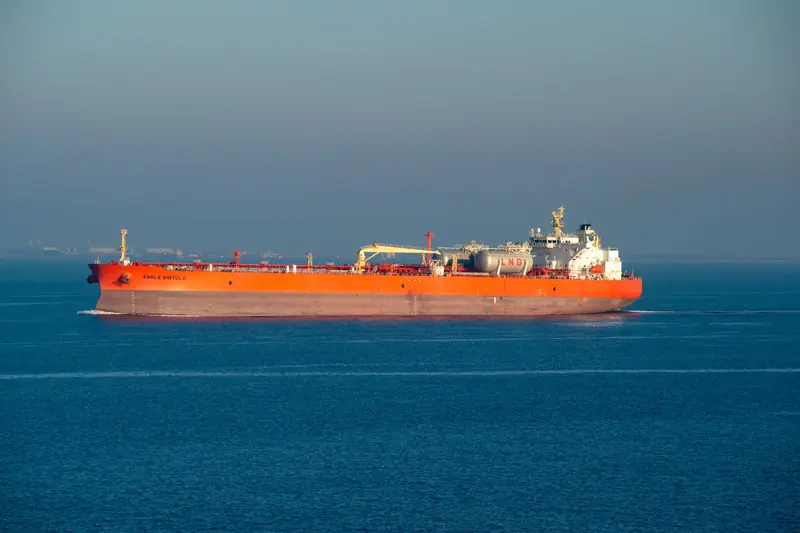
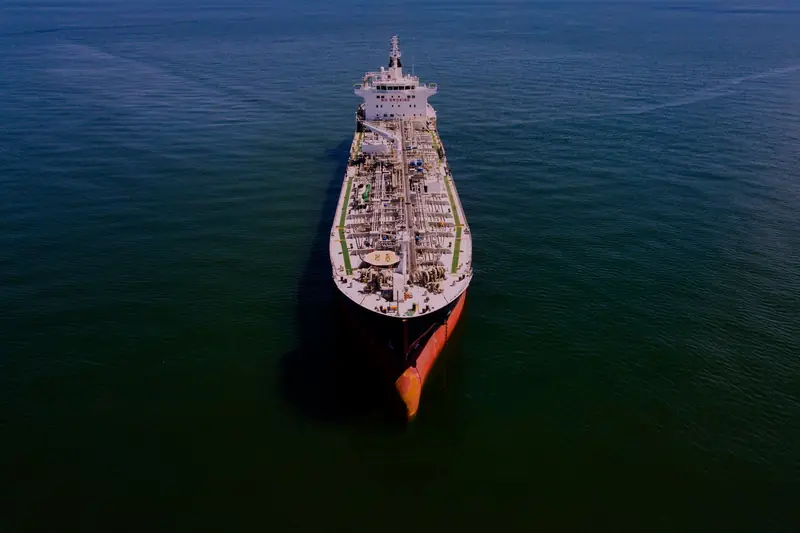
The IMO has verified more than 130 incidents involving merchant ships since the conflict began on 28 February; its latest records show 133 confirmed incidents as of 10 November [1]. At least 25 seafarers have been killed, and others are missing or injured [1]. Marine Insight notes that the IMO's count of deaths stood at 22 in mid-September and that a crew member died when the tanker Velos Sapphire was attacked on 5 November [2]. Thousands of seafarers remain in the Persian Gulf; the IMO earlier estimated about 20,000 [2].
The IMO Council, its 40-member executive body, met in London from 2 to 6 November; member states condemned attacks on merchant shipping [1,2].
How much traffic is still moving?
Very little compared with before the war. UKMTO, the UK Royal Navy's trade centre, said in its weekly report that traffic is "well below normal but not stalled", about 65% below pre-conflict levels, Gulf News reported on 10 November [4]. It counted 170 outbound and 155 inbound transits and said at least 11 ships were attacked in the week to 6 November, three of which sank [4]. Iran's IRGC claims that three tankers using routes it does not authorise were hit by mines; Gulf News describes these claims as unverified [4].
What to watch
- Flag and port state action. Whether governments act on false flags and hidden IMO numbers, as Dominguez asked [1].
- Crew changes and stranded seafarers. The IMO has not issued a new estimate since its figure of about 20,000 [2].
- Insurance and freight. Further incidents feed directly into war-risk premiums and tanker rates for Gulf cargoes [4].
Alupetra follows shipping and security in the Gulf every day for clients who move crude, LPG and refined products through the region.
Free tools for this topic: Strait of Hormuz tracker · Historical oil prices · Statistical price range · Oil price & unit converter · All tools
Sources
- gCaptain — IMO chief calls for strict enforcement of SOLAS rules in Strait of Hormuz (11 November 2026). gcaptain.com (opens in a new tab)
- Marine Insight — IMO: 25 seafarers killed in Strait of Hormuz since war began (8 November 2026). marineinsight.com (opens in a new tab)
- International Maritime Organization — Statement: no safe passage, Strait of Hormuz (2026). imo.org (opens in a new tab)
- Gulf News — Hormuz shipping 'below normal, but not stalled': UKMTO (10 November 2026). gulfnews.com (opens in a new tab)
This article is for information only and is not investment, legal or trading advice. Figures are as reported by the sources cited on the date of publication.